From Plastic Waste to Pure Water: Sustainable Filtration for UAE Homes
Take a moment and think about how many plastic water bottles your household goes through in a week.
Two? Five? Ten?
Now multiply that by 52 weeks. Then by the number of years you’ve lived in the UAE.
That’s a lot of plastic. And most of it ends up in landfills or worse.
The good news is there’s a real, practical way to change this. And it starts right under your kitchen sink.
The Plastic Bottle Problem in the UAE Is Real
The UAE is one of the countries with high bottled water consumption per person. It’s understandable. The climate is hot. Tap water isn’t drinkable without treatment in most of the areas for most residents. And bottled water has always seemed like the easy solution.
But easy for whom?
Every single-use plastic water bottle takes around 450 years to break down in the environment. And most bottles don’t even make it to recycling. They end up in bins, on streets, or in landfills.
In the UAE, plastic waste is a growing issue. The country produces millions of tons of plastic waste annually. Bottled water is one of the biggest contributors.
And here’s something most people don’t realize. Even when plastic bottles are recycled, the process itself uses energy and produces emissions. There’s no fully clean outcome when your water comes in plastic.
What Single-Use Plastic Bottles Actually Cost the Planet
Let’s get specific about the environmental impact of bottled water in the UAE.
Oil and Energy to Produce Them
It takes about three times as much water to make a plastic bottle as it holds. And the production of plastic itself is oil-based. Every bottle you buy has a carbon footprint before it even reaches your shelf.
Transport Emissions
Bottled water travels by truck, ship, and van to reach supermarkets, homes, and offices. All of that movement burns fuel and adds to the UAE’s carbon footprint.
Ocean and Landfill Pollution
A large proportion of plastic waste in the Gulf region ends up in the ocean or sits in landfills for centuries. Marine life suffers. Ecosystems are damaged.
Microplastics in Your Body
Research has found microplastic particles in many commercial bottled water brands. When you drink from a plastic bottle that’s been sitting in heat, which happens a lot in the UAE, that risk increases. You’re not just drinking water. You may also be drinking tiny pieces of the bottle itself.
What Does a Sustainable Water Lifestyle Actually Look Like?
Sustainability doesn’t mean giving things up. It means finding smarter alternatives that work just as well or better.
For drinking water at home, a sustainable approach means:
- Drinking water that doesn’t come wrapped in single-use plastic
- Using a system that lasts for years instead of something you throw away daily
- Choosing filtration that produces better-quality water than bottles can offer
- Reducing the waste your household sends to landfill every week
This is exactly what a home water filtration system makes possible. And Nadine Aqua has built their entire brand around this idea.
How Nadine Aqua Helps You Go Plastic-Free
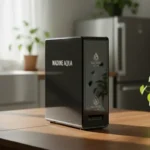
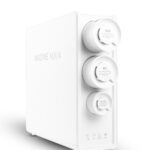
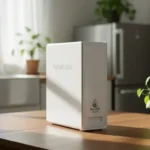
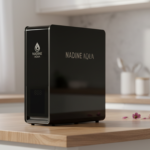
Nadine Aqua’s RO water purification systems give you clean, safe, great-tasting water directly from your kitchen tap.
No plastic bottles. No delivery packaging. No weekly trips to the shop to stock up on water.
When you install a Nadine Aqua system, you’re not just changing how you get water. You’re removing plastic from your daily life in one of the most consistent and meaningful ways possible.
The Quality Argument: RO Water vs. Bottled Water
Many people mistakenly believe that bottled water is the highest quality. It’s not.
Bottled water sits in plastic containers, often in hot warehouses and delivery trucks. Heat accelerates the leaching of chemicals from plastic into the water. The longer it sits, the greater the risk.
A Nadine Aqua RO system produces fresh, purified water on demand. It doesn’t sit in a bottle. It doesn’t get heated in a van. It filters your water right before you drink it.
The result is water that is fresher, cleaner, and free from the contamination risk that comes with plastic storage.
And the 11-stage filtration process removes heavy metals, bacteria, viruses, and harmful particles. Then in select models, it adds back beneficial minerals through remineralization. You get water that tastes great and supports your health.
That’s not something a plastic bottle can promise.
Why This Matters, Especially in the UAE
The UAE’s climate puts extra pressure on plastic waste management.
High temperatures speed up plastic degradation in the environment. They also increase the rate at which chemicals from plastic leach into water if bottles are stored or left in heat.
The UAE government has made sustainability a national priority. Initiatives around reducing single-use plastic, improving recycling, and building a greener economy are actively underway. Many residents and businesses are already making the switch.
Choosing a home water filtration system over bottled water is one of the most direct and practical ways a UAE household can participate in that shift.
You don’t need to overhaul your whole lifestyle. You just need to change where your drinking water comes from.
Practical Steps to Reduce Plastic Water Waste at Home
If you’re ready to cut plastic from your water routine, here’s how to start:
- Audit Your Current Water Spend
How many bottles does your household use per week? Write it down. The number is often larger than you think.
- Look at Your Under-Sink Space
Most UAE kitchen cabinets have enough room for a compact under-sink RO system. Nadine Aqua’s systems save over 70% of under-sink space compared to traditional bulky RO units.
- Choose a System That Fits Your Household
Nadine Aqua offers several models ranging from AED 2,150 to 2,850. Each one delivers 11-stage filtered water with varying smart features.
- Get It Installed
Professional installation is quick. Once it’s done, your system runs quietly in the background, giving you clean water around the clock.
- Get a Good Reusable Water Bottle
Once you have clean water at home, filling a reusable bottle to take out eliminates even more single-use plastic from your day.
Small Choice, Real Difference
Living sustainably in the UAE doesn’t have to be complicated.
You don’t need to change your diet, your car, or your job. You can start with something as simple and essential as the water you drink every day.
Switching from plastic bottled water to a Nadine Aqua purified water system is one choice. But it’s a choice that removes hundreds of plastic bottles from circulation every year, gives your family better water quality, and supports a cleaner, healthier environment.
Frequently Asked Questions
Q1: How often do I need to replace the filters in a Nadine Aqua system, and are the filters recyclable?
Filter replacement frequency depends on your model and water usage, but most households need to change filters once or twice a year. Nadine Aqua designs their systems with efficiency in mind, meaning fewer components end up as waste compared to older multi-canister RO systems. For filter disposal queries, you can contact the Nadine Aqua support team directly.
Q2: Can I use the filtered water from my Nadine Aqua system for baby formula and cooking?
Yes, absolutely. Nadine Aqua systems remove heavy metals, bacteria, viruses, and harmful contaminants. The water is safe for drinking, cooking, and preparing baby formula. In fact, it’s a cleaner and more consistent option than bottled water, which can vary in quality depending on the brand, storage conditions, and how long it has been sitting in plastic.
Q3: Does the system waste a lot of water during the filtration process?
Traditional RO systems do waste a notable amount of water during filtration. Nadine Aqua has engineered its advanced systems to be more efficient than older generation units. If water efficiency is a concern for your household, the Nadine Aqua team can walk you through the specific output-to-waste ratios for each model so you can choose the most suitable option.