How Do PFAS Water Filters Remove Forever Chemicals From Drinking Water?
PFAS chemicals don’t break down easily, which is exactly why they’ve earned the nickname forever chemicals. If you’ve been researching PFAS removal water filter options for your home, you’re already ahead of most homeowners. These contaminants are becoming a bigger concern across the UK, and filtration is genuinely the most practical response.
We’ve watched awareness around PFAS grow significantly over recent years, and honestly, the concern is valid. These chemicals show up in unexpected places, including drinking water supplies. Let’s break down exactly how proper filtration removes them and why it matters for your family’s long-term health.
What Exactly Are PFAS Chemicals and Why Do They Matter?
PFAS contamination refers to a group of thousands of man-made chemicals used in everything from non-stick cookware to firefighting foam. These substances resist breaking down naturally, which allows them to accumulate in water sources and human bodies over time. According to the UK Drinking Water Inspectorate, PFAS monitoring has become an increasing priority across water treatment facilities.
We take PFAS contamination seriously because the science around long-term exposure keeps developing. Studies continue linking certain PFAS compounds to health concerns, which is why removing them proactively makes sense. Waiting for definitive long-term data isn’t necessary when effective filtration solutions already exist.
How Does Activated Carbon Filtration Remove PFAS Compounds?
Activated carbon filtration works by trapping PFAS molecules within its porous surface structure as water passes through. This filtration technology has decades of proven effectiveness against various organic contaminants, including many PFAS compounds. However, effectiveness varies significantly depending on the specific PFAS type and carbon quality used.
Our activated carbon PFAS filter systems use high-grade carbon specifically selected for contaminant absorption capacity. Not all activated carbon performs equally, and we don’t cut corners on filtration media quality. This distinction matters significantly when you’re trying to remove genuinely persistent chemical compounds from your water.
Why Is Reverse Osmosis Considered Highly Effective Against PFAS?
Reverse osmosis technology forces water through an extremely fine membrane that blocks molecules based on size, including most PFAS compounds. This filtration method consistently removes a broader range of PFAS variants compared to carbon filtration alone. Combining both technologies typically provides the most comprehensive protection available.
We recommend reverse osmosis-based PFAS removal systems specifically for households with confirmed or suspected higher contamination levels. This approach costs more upfront but delivers noticeably more thorough filtration results. When it comes to persistent chemicals, thoroughness genuinely matters more than convenience.
What Makes PFAS Different from Other Common Water Contaminants?
Emerging contaminants like PFAS behave differently than traditional pollutants such as bacteria or sediment. Unlike biological contaminants, PFAS chemicals don’t degrade through boiling or standard disinfection methods. This resistance to conventional treatment is exactly why specialized filtration technology becomes necessary.
We educate customers on this distinction because misconceptions about water safety are common. Boiling water, while useful against bacteria, does absolutely nothing to reduce PFAS levels. Understanding this difference helps homeowners choose filtration systems that actually address their specific contamination concerns.
How Can UK Homeowners Test for PFAS in Their Water?
Household water treatment decisions work best when based on actual water testing rather than assumptions. Independent laboratory testing can identify specific PFAS compounds present and their concentration levels in your home’s water supply. This data helps determine which filtration approach makes the most practical sense.
We guide customers through the testing process before recommending specific filtration systems whenever possible. Installing a system without understanding your actual contamination profile means potentially over-investing or under-protecting your home. Testing first simply leads to smarter, more targeted decisions.
Why Do Environmentally Aware Homeowners Prioritize PFAS Filtration?
Water quality protection has become a genuine priority for environmentally conscious UK households in recent years. PFAS contamination affects not just drinking water but potentially soil and food chains connected to contaminated water sources. Addressing it at the household level is a practical, immediate step people can actually control.
We work with customers who want science-backed solutions, not vague marketing promises about water safety. Every recommendation we make is grounded in actual filtration performance data, not assumptions. This approach resonates with homeowners who genuinely care about long-term environmental and health impact.
How Does Nadine Aqua Approach PFAS Filtration Solutions?
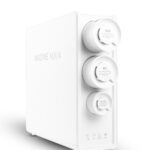
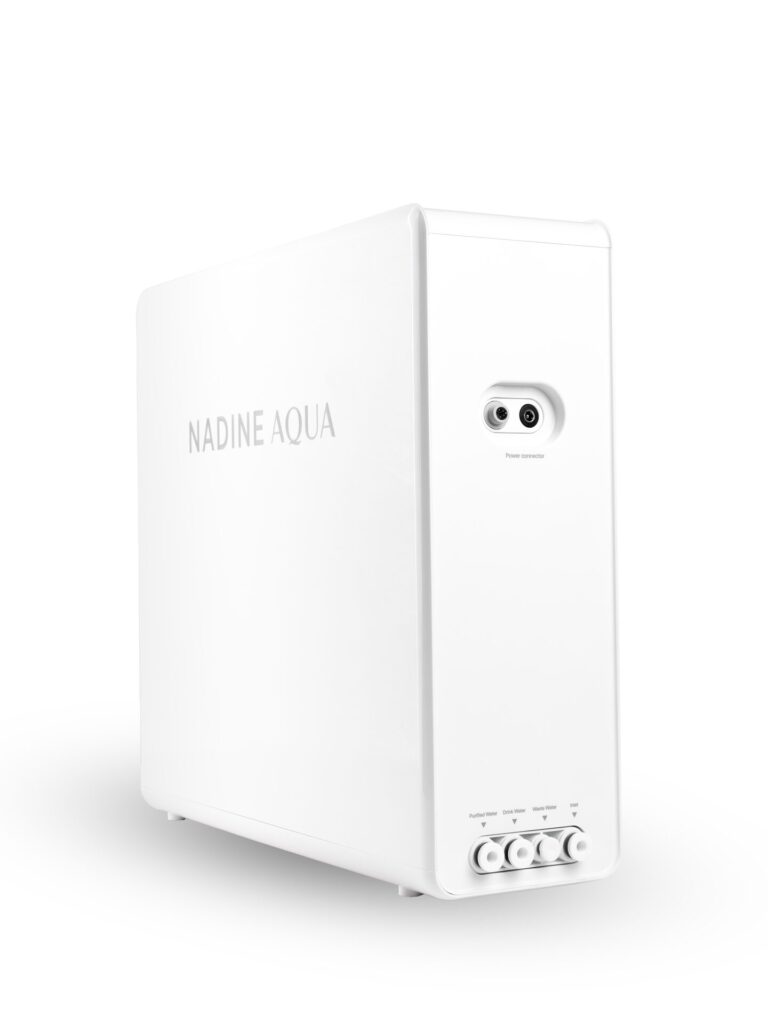
We stay current on PFAS research and filtration technology because this field continues evolving rapidly. Our systems combine activated carbon and reverse osmosis specifically to maximize PFAS removal effectiveness. This layered approach reflects genuine technical understanding, not just standard equipment sold across every contaminant type.
Our team explains exactly how each filtration stage addresses PFAS removal, without overwhelming technical jargon. Customers deserve to understand what they’re investing in and why it works. That transparency is central to how we’ve built trust with environmentally conscious households across the UK.
Frequently Asked Questions
Are all reverse osmosis systems equally effective at removing PFAS chemicals?
Not all reverse osmosis systems perform equally, since membrane quality and pore size significantly affect PFAS removal rates. Higher-grade membranes designed specifically for emerging contaminants typically remove a broader range of PFAS compounds than standard reverse osmosis units.
Can PFAS chemicals be completely eliminated from drinking water?
Combined filtration methods like activated carbon paired with reverse osmosis can reduce PFAS levels significantly, often below detectable limits in properly maintained systems. Complete elimination depends on initial contamination levels and consistent system maintenance over time.
Is bottled water a reliable alternative if I’m concerned about PFAS in tap water?
Bottled water is not guaranteed to be PFAS-free, since some bottled sources have tested positive for similar contamination levels found in tap water. A home filtration system provides more consistent, verifiable protection compared to relying on bottled water assumptions.
Do PFAS chemicals affect cooking water in addition to drinking water?
PFAS chemicals remain present in water used for cooking since heat does not break down these compounds. Using filtered water for cooking, particularly for foods that absorb significant water like rice or pasta, helps reduce overall household PFAS exposure meaningfully.