Does pH Alone Make Water Healthier? What a pH Balanced Water System Changes
The term “pH” gets thrown around a lot in water filtration marketing. But what does it actually mean for your daily glass of water, and does adjusting it really make water “healthier”? At Nadine Aqua, we believe in giving you the real science, not just the trend.
Our pH-balanced drinking water system doesn’t rely on hype. It’s built around remineralisation science that genuinely improves taste and mineral balance after filtration.
What pH Actually Measures in Drinking Water
pH measures how acidic or alkaline water is on a scale from 0 to 14, with 7 considered neutral. Most tap and filtered water sit close to neutral, typically between 6.5 and 8.5. A slight shift in pH doesn’t dramatically change water’s safety, but it does affect taste and how minerals interact with your body.
Water Purity vs Water pH: They’re Not the Same Thing
Water purity refers to how many contaminants, like chlorine, sediment, or heavy metals, have been removed from water. pH is a separate measurement entirely, unrelated to contaminant levels. Water can have a perfectly neutral pH and still be full of impurities, which is why filtration and pH balancing solve two different problems.
Common Myths About Alkaline Water You Should Know
Alkaline water doesn’t “detoxify” your body or dramatically change your blood pH, since your body already regulates internal pH tightly regardless of what you drink. The human body maintains blood pH within a very narrow range through kidney and respiratory function alone. Alkaline water may still improve taste, but the more dramatic health claims aren’t backed by strong evidence.
How pH-Balanced Filtration Systems Actually Work
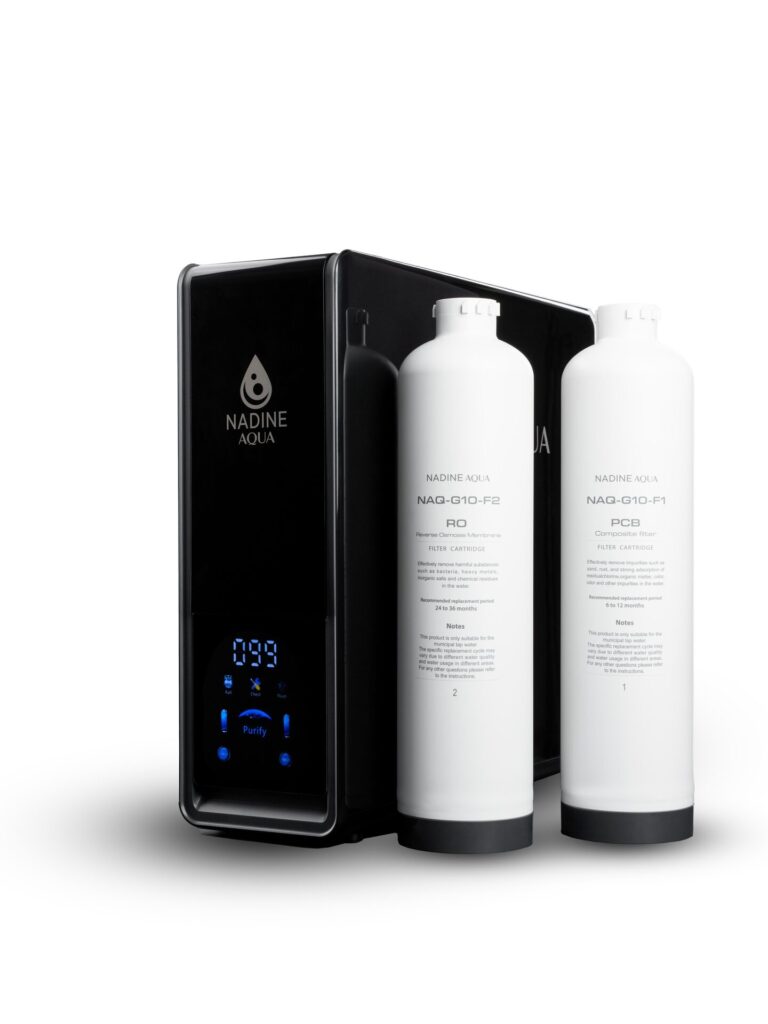
Our systems use a remineralisation stage after reverse osmosis to reintroduce calcium and magnesium, which naturally brings pH into a more balanced range. It’s not about artificially spiking alkalinity. It’s about restoring what filtration removes so the water tastes and behaves more naturally.
Calcium and magnesium give water a fuller, less flat taste compared to pure H2O with nothing dissolved in it. Water stripped of all minerals during RO filtration can taste noticeably bland. Adding minerals back afterward is what makes filtered water genuinely pleasant to drink daily, not just safe.
The Real Role of Remineralisation After RO Filtration
Remineralisation isn’t a cosmetic add-on. It directly affects both taste and mineral content lost during the RO process. Systems without this stage often produce water that’s technically clean but noticeably less satisfying to drink over time.
Evidence supporting major health claims around alkaline water remains limited and inconsistent. This doesn’t mean pH-balanced water offers nothing. It just means the benefits are more about taste and mineral content than dramatic health transformation.
How pH-Balanced Systems Compare to Standard Filtration
Standard RO filtration alone removes minerals along with contaminants, often leaving water tasting flat. A pH-balanced system adds remineralisation on top of that same filtration process. You get the same contaminant removal, just with better taste and mineral content afterward.
Households who found standard RO water tasteless, or who specifically want mineral content restored after filtration, benefit most from this setup.
Families with children may also appreciate the added calcium and magnesium in daily drinking water. It’s less about chasing a health trend and more about better-tasting, mineral-balanced water.
What to Ask Before Buying a pH Water System
Ask exactly how remineralisation works in the system, not just whether it’s included. Ask what minerals are added back and in what approximate range. A supplier who can explain the mechanism clearly is more trustworthy than one relying on vague wellness language.
A simple TDS meter test gives a quick read on mineral content, while taste testing over a few days reveals whether remineralisation is working as expected. Comparing water before and after filtration helps you notice real differences rather than relying on marketing claims alone.
Choosing Filtration Based on Overall Water Quality, Not Just pH
pH is one small piece of a much bigger picture that includes contaminant removal, mineral balance, and filtration stage count. A genuinely pH balanced drinking water system addresses all of these together instead of marketing pH as a standalone health solution. Focus on complete filtration quality first, with pH balance as a valuable bonus, not the main event.
Frequently Asked Questions
Is alkaline water actually better for hydration than regular water?
There’s no strong scientific evidence that alkaline water hydrates the body more effectively than regular filtered water. Your body regulates internal pH through natural processes regardless of what you drink. Alkaline water may offer a taste preference for some people, but hydration benefits remain largely the same.
What pH level is considered ideal for drinking water?
A pH between 6.5 and 8.5 is generally considered safe and standard for drinking water according to most water quality guidelines. This range balances safety with pleasant taste, without needing extreme alkalinity. Values far outside this range are less common in properly filtered household water.
Does remineralisation add sodium or unhealthy minerals to water?
No, proper remineralisation typically adds calcium and magnesium, not sodium. These minerals occur naturally in untreated water and support both taste and basic nutritional content. Quality systems are designed specifically to restore these beneficial minerals, not add anything harmful.
Can pH-balanced water help with acid reflux or digestion?
Some anecdotal reports suggest mild digestive comfort from alkaline water, but robust clinical evidence for acid reflux relief remains limited. Digestive symptoms usually require broader dietary and medical evaluation rather than water pH adjustment alone. It’s worth discussing persistent digestive issues with a healthcare provider.
How do I know if my current filter removes essential minerals?
Standard reverse osmosis filtration removes most dissolved minerals along with contaminants, often resulting in flatter-tasting water. If your filtered water tastes noticeably bland compared to before filtration, it likely lacks a remineralisation stage. Checking your system’s specifications for this feature confirms whether minerals are being restored.