Drinking Water System: Under Sink vs Countertop Water Filter
Choosing between a drinking water system under sink and a countertop water filter is one of the most common questions UK families ask when upgrading home water quality. Both systems filter drinking water. Both improve on unfiltered tap water. But the two products work differently, suit different homes, and deliver very different results under UK water conditions.
This guide breaks down the key differences across filtration quality, installation, kitchen space, maintenance, and long-term cost, helping households across the UK choose the right solution for their home, budget, and water quality needs.
How Each System Works: Under Sink vs Countertop Water Filter
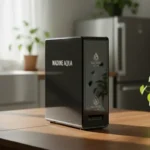
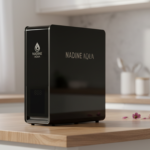
A drinking water system under sink installs inside the cabinet beneath the kitchen sink. Water passes through multiple filtration stages, including a reverse osmosis membrane, before reaching a dedicated three-way faucet at the sink. The system is hidden from view, connects directly to the home water supply, and operates automatically every time the tap opens.
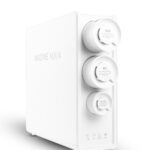
A countertop water filter sits on the kitchen counter and connects to the existing faucet via a diverter valve. Water passes through an activated carbon block or similar filter before being dispensed. Most countertop units do not use reverse osmosis and do not require permanent installation or any modification to existing plumbing.
According to the World Health Organization’s Guidelines for Drinking-water Quality (2022), properly selected and maintained household water treatment systems can improve drinking water quality at the point of use.
Feature-by-Feature Comparison: Under Sink vs Countertop Water Filter
| Feature | Drinking Water System Under Sink | Countertop Water Filter |
| Filtration Technology | Reverse osmosis plus multi-stage | Activated carbon (most models) |
| Filtration Stages | 7 to 11 stages | 1 to 3 stages |
| Contaminants Addressed | Lead, PFAS, fluoride, chlorine, microplastics, bacteria, TDS | Chlorine, sediment, taste, odour |
| UV Sterilization | Included in advanced models | Not available |
| Alkaline Remineralization | Included in advanced models | Not available |
| Flow Rate | 800 to 1,500 GPD | Low to moderate |
| Kitchen Space Used | None (fully under sink) | Counter space required |
| Plumbing Modification | Minor (single faucet hole) | None |
| Portability | Not portable | Fully portable |
| Filter Replacement | Every 4 to 12 months by stage | Every 1 to 3 months |
| Smart Monitoring | Available on selected models | Manual checking only |
| Long-Term Cost Per Liter | Lower over time | Higher due to frequent replacements |
Pros and Cons: Under Sink and Countertop at a Glance
Drinking Water System Under Sink
Pros:
- Handles the widest range of contaminants in UK tap water
- Keeps kitchen countertops completely clear
- Selected under sink systems include real-time TDS monitoring and individual filter stage tracking.
- High flow rate suitable for families with large daily water needs
- Dual outlet system delivers fully treated drinking water and a separate partially filtered stream for cooking and washing produce
Cons:
- Requires installation with a minor plumbing connection
- Renters need landlord approval before installation
- Higher upfront cost compared to a countertop unit
Countertop Water Filter
Pros:
- No installation or plumbing modification required
- Fully portable, moves with the user between properties
- Lower upfront cost
- Good option for rentals where plumbing changes are not permitted
Cons:
- Activated carbon filtration does not remove lead, PFAS, fluoride, or microplastics
- Does not include UV sterilization or alkaline remineralization
- Occupies counter space in the kitchen
- Requires more frequent filter replacement
- Not designed for high-volume household use
Who Should Buy a Drinking Water System Under Sink in the UK?
A drinking water system under sink is the right choice for homeowners and long-term residents who want the most complete kitchen water filter solution available for UK conditions.
UK tap water carries chlorine, elevated total dissolved solids, and in older buildings, traces of lead from aging pipes. A review published in Science of the Total Environment (2025) confirmed that reverse osmosis-based household water treatment systems effectively improve multiple key physicochemical water quality parameters, including TDS, chloride, fluoride, and residual chlorine at the point of use.
An under sink water filter works best for:
- Families with children who consume large volumes of water daily
- Homeowners in detached houses or long-term flat residents
- Households living in older properties or homes with ageing plumbing, where an additional layer of filtration provides extra peace of mind.
- Anyone switching away from bottled water and wanting the same quality or better at home
- Families who cook daily and want a dual outlet system covering both drinking water and a separate pure water stream for washing produce and cooking
For more on what UK tap water contains, read TDS vs Contaminants: What Actually Matters in Drinking Water?
Who Should Buy a Countertop Water Filter in the UK?
A countertop water purifier is a practical option for renters or anyone who needs portability and zero installation complexity.
Countertop units improve taste and reduce chlorine and some sediment. Countertop filters are a meaningful step up from unfiltered tap water, but activated carbon filtration cannot remove dissolved contaminants like lead, PFAS, fluoride, or microplastics. For households in newer UK properties with good mains water quality, a countertop unit provides basic improvement without long-term commitment.
A countertop water filter works best for:
- Renters who cannot modify kitchen plumbing without landlord approval
- Individuals living alone with modest daily water consumption
- Temporary UK residents who need to move the system between properties
- Households looking for a short-term improvement while considering a permanent under sink system
Performance Comparison: Filtration Quality and Water Output in UK Conditions
This is where the two systems differ most significantly, and UK water conditions make the gap wider than in most other markets.
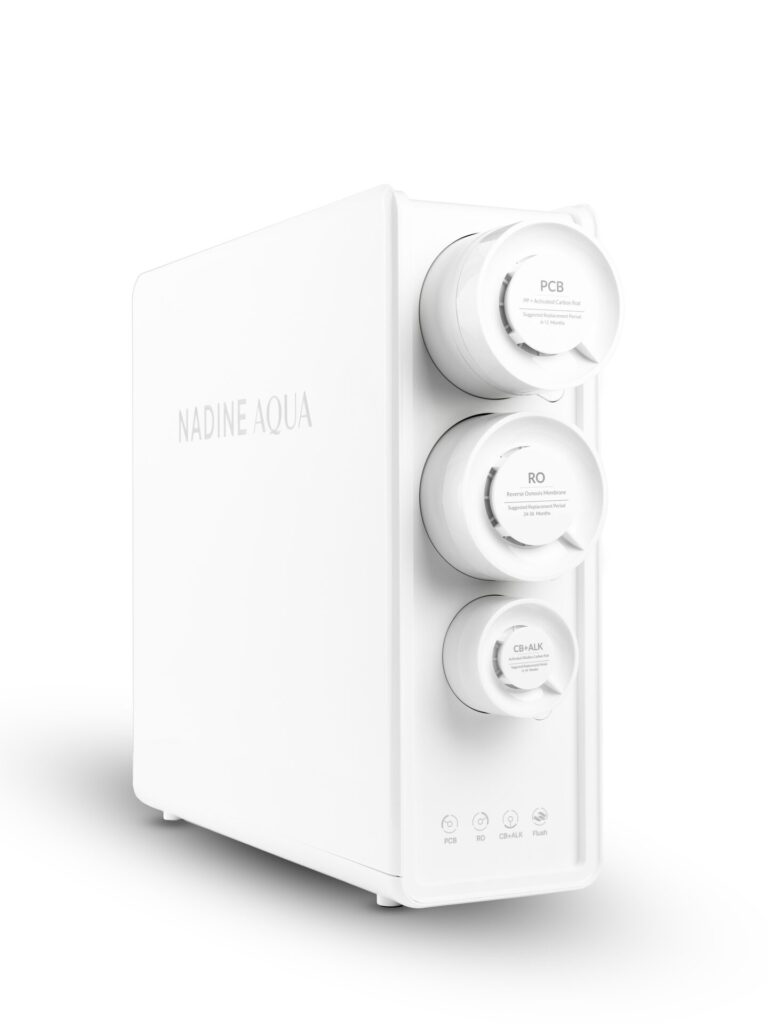
An under sink filtration system using reverse osmosis pushes water through a 0.0001-micrometer membrane. This helps remove the vast majority of dissolved contaminants, including heavy metals, PFAS, microplastics, bacteria, and viruses. Advanced under sink RO systems, including Nadine Aqua’s range, then pass filtered water through alkaline remineralization, restoring essential calcium and magnesium at a balanced pH of approximately 7.1. A live TDS display on the smart faucet confirms water quality at every pour.
A countertop water filter passes water through an activated carbon block. Activated carbon improves taste, reduces chlorine, and captures some sediment. Activated carbon does not lower TDS, does not remove lead, fluoride, or PFAS, and does not include UV sterilization. The gap in real-world performance is significant for UK households living in older properties, areas with hard water, or those prioritizing comprehensive contaminant reduction.
Installation and Maintenance: What Each System Actually Requires in a UK Home
A countertop water filter attaches to the existing kitchen faucet via a diverter valve. The process takes minutes and requires no tools. Renters can use a countertop unit without modifying the property in any way.
A drinking water system under sink connects to the water supply line beneath the sink and uses a separate dedicated faucet. Most under sink systems require either a dedicated drinking water faucet or a compatible multi-function faucet, depending on the model. Installation typically takes between one and two hours. Many manufacturers recommend professional installation to ensure correct setup, and installation services are widely available across the UK.
Maintenance schedules differ by system type. Filter lifespan in the UK depends on local water quality, water hardness, and household usage. For an under sink system, pre-filters typically need replacement every four to six months. The RO membrane lasts twelve to twenty-four months depending on water quality and usage volume. A smart faucet with individual filter stage tracking removes all guesswork from the maintenance schedule.
Countertop filter cartridges typically require replacement every one to three months. Lower-capacity carbon filters saturate faster, especially in high-use households, making the long-term filter cost higher per liter than a well-maintained under sink system.
Final Recommendation by User Type
| User Type | Recommended System |
| Family of three or more people | Under sink drinking water system |
| Renter without plumbing access | Countertop water filter |
| Detached house homeowner | Under sink drinking water system |
| Flat owner | Under sink drinking water system |
| Family with infants or young children | Under sink drinking water system |
| Frequent mover between properties | Countertop water filter |
| Long-term UK resident | Under sink drinking water system |
| Single occupant in a short-term rental | Countertop water filter |
For UK families who want complete coverage across reverse osmosis filtration, UV sterilization, alkaline remineralization, and a dual outlet system for both drinking and household water, an advanced under sink filtration system is the most complete solution available. Browse the full Nadine Aqua range.
Frequently Asked Questions
What is an under sink drinking water system and how does it work in a UK home?
An under sink drinking water system is a multi-stage water purification system that installs inside the cabinet beneath the kitchen sink and connects directly to the home water supply. Water flows through filtration stages, including a reverse osmosis membrane, activated carbon, UV sterilization, and alkaline remineralization before reaching a dedicated faucet on the countertop.
In a UK home, this type of system helps address common water quality concerns such as chlorine used during water treatment, hard water minerals in many regions, traces of lead from ageing plumbing in some older properties, PFAS, and other contaminants that may be present depending on the local water supply. The system operates automatically every time the faucet opens and requires no manual intervention beyond scheduled filter replacement.
What is reverse osmosis and why does it matter for drinking water quality in the UK?
Reverse osmosis is a water filtration process that forces water through a semi-permeable membrane with pores as small as 0.0001 micrometers. This membrane blocks dissolved contaminants including lead, fluoride, PFAS, chloramine, heavy metals, microplastics, and most bacteria and viruses, allowing only clean water molecules to pass through.
Reverse osmosis matters in the UK because water quality varies by region. While UK drinking water is treated to high standards before reaching homes, factors such as hard water, ageing plumbing, chlorine used during treatment, and local water characteristics can influence the quality and taste of tap water. This journey introduces a range of contaminants that standard carbon filters cannot address. Reverse osmosis-based under sink filtration systems are among the most comprehensive point-of-use treatment options available for UK household drinking water.
What is a dual-outlet water filter system and what does each outlet provide?
Nadine Aqua’s dual-outlet water filter system provides two separate water streams from a single under sink unit through one three-way faucet. The first outlet delivers fully filtered and post-treated water that has passed through reverse osmosis, UV sterilization, and alkaline remineralization. This outlet is for drinking, preparing baby formula, brewing tea and coffee, and any use where complete water purity matters.
The second outlet delivers partially filtered water that has passed through sediment and activated carbon pre-filters, removing chlorine, rust, and particles but retaining some minerals. This outlet is suitable for washing fruits and vegetables, cooking, and general kitchen use. The dual outlet design means a single compact kitchen water filter covers every water need in the home.
Can a renter in the UK install a countertop water filter without asking the landlord?
Yes. A countertop water filter connects to the existing kitchen faucet via a removable diverter valve. The connection requires no drilling, no plumbing modification, and no permanent changes to the property. Renters can install and remove a countertop unit without any impact on the property. Landlord permission is not required because the filter does not alter any fixture or fitting. When the lease ends, renters simply remove the diverter valve, reattach the original faucet head, and take the countertop unit to the next property.
A drinking water system under sink, by contrast, requires a dedicated faucet hole and a connection to the water supply line beneath the sink. Renters should confirm landlord approval before installing an under sink system.
How do UK families know when to replace filters in an under sink water filtration system?
Some advanced under sink water filter systems include a smart faucet with a digital display that tracks the life of each individual filtration stage. The display shows real-time TDS readings and alerts the household when a specific filter cartridge needs replacement. This removes all guesswork from the maintenance schedule.
For UK households without a smart display, the general guideline is to replace sediment and carbon pre-filters every four to six months, given that UK water carries higher TDS and sediment loads than the softer water supplies these products are typically tested against internationally.
The RO membrane typically lasts twelve to twenty-four months depending on daily usage volume and local water quality. Replacing filters on schedule helps the system continue performing as intended and prevents contaminants from passing through a spent cartridge.
What is the long-term cost difference between an under sink system and a countertop water filter in the UK?
The upfront cost of a countertop water filter is lower than an under sink drinking water system. Over twelve to twenty-four months, however, the cost gap narrows or reverses for most UK households. Countertop carbon filter cartridges need replacement every one to three months, and in high-usage households the annual cartridge cost adds up quickly.
An under sink system uses longer-lasting cartridges with staged replacement intervals ranging from four months to two years depending on the stage, and the cost per liter of filtered water decreases significantly over time. Both systems save money against the ongoing cost of buying bottled water.