What Is the Ideal pH Level for Drinking Water?
The ideal pH level for drinking water is between 7.0 and 7.5. This range is neutral to slightly alkaline. Water at this pH aligns closely with the natural pH of human blood, supports healthy digestion, and tastes clean and fresh.
Many homeowners are now looking for a pH-balanced drinking water system in the UK because they want water that is not only free from contaminants but also contains the right mineral balance for everyday drinking.
The World Health Organization recommends a drinking water pH range of 6.5 to 8.5. Within that range, most water quality and health experts consider 7.0 to 7.5 the optimal point for everyday drinking.
But what is pH, why does it matter, and how does water filtration affect it? This guide explains all of that clearly.
What Is pH balanced drinking water?
pH stands for “potential of hydrogen.” The pH scale runs from 0 to 14. A pH of 7 is neutral. Values below 7 are acidic. Values above 7 are alkaline.
The scale is logarithmic. Each step represents a tenfold difference. Water at pH 6 is ten times more acidic than water at pH 7. Water at pH 5 is one hundred times more acidic than neutral.
A few familiar reference points help make this concrete:
Lemon juice sits at around pH 2. Black coffee sits around pH 5. Pure water sits at pH 7. Baking soda water sits around pH 8.5. Bleach sits around pH 12.
Human blood maintains a pH of 7.35 to 7.45. Drinking water closest to this range places the least chemical demand on the body’s natural buffering systems.
WHO and UK Drinking Water Guidelines for pH Levels
The World Health Organization guidelines for safe drinking water recommend a pH range of 6.5 to 8.5 for drinking water.
UK drinking water regulations, administered by the Drinking Water Inspectorate, permit a pH range of 6.5 to 9.5 for treated mains water supplied to households.
The UK regulatory range defines the outer limits of acceptability, not the health-optimal range.
Water in the 7.0 to 7.5 range sits at the most beneficial point within both regulatory frameworks. Most UK tap water falls between 7.0 and 8.5 before reaching households, though water pH can shift as water travels through older pipes, particularly in areas with corroding lead or copper infrastructure.
What Acidic Drinking Water Below pH 6.5 Does to Health and Plumbing
Drinking water below pH 6.5 raises concerns for both human health and household infrastructure.
Metal leaching from pipes: Acidic water dissolves lead, copper, and other metals from household plumbing as water passes through pipes and fittings. UK homes built before 1970 may still contain lead pipework. Acidic water passing through lead pipes is a documented cause of elevated blood lead levels, which poses serious health risks especially for children and pregnant women.
Unpleasant taste: Acidic water typically tastes sharp, metallic, or bitter. Unpleasant-tasting water discourages adequate daily hydration.
Pipe corrosion: Acidic water corrodes copper pipes and fittings over time. This corrosion shortens plumbing lifespan and increases the risk of pinhole leaks and water damage inside walls and floors.
What Happens When Drinking Water Is Too Alkaline (Above pH 8.5)
Water significantly above pH 8.5 creates a different set of concerns.
Very alkaline water often tastes soapy, bitter, or chalky. Unpleasant-tasting water at high pH reduces the likelihood of drinking enough water throughout the day.
Highly alkaline water can temporarily reduce stomach acid effectiveness. The stomach operates at a pH between 1.5 and 3.5 to digest food and activate digestive enzymes. Regularly consuming very high pH water may interfere with normal digestion and nutrient absorption over time.
London and South East tap water is naturally hard, with pH levels commonly between 7.5 and 8.5, due to high calcium and magnesium carbonate content from chalk and limestone geology. This pH level contributes to the characteristic chalky taste and the heavy limescale deposits common in London kettles and appliances.
How Reverse Osmosis Affects Water pH and Why That Matters
Reverse osmosis is the most effective residential method for removing contaminants, including PFAS, heavy metals, chlorine, fluoride, and microplastics, from drinking water.
This is why many households choose a pH-balanced drinking water system in the UK that combines reverse osmosis filtration with remineralisation technology, ensuring purified water remains within the ideal pH range.
However, standard reverse osmosis removes the dissolved minerals that naturally buffer water pH, including calcium, magnesium, and bicarbonates.
Without these buffering minerals, water exiting a standard reverse osmosis membrane typically has a pH between 5.5 and 6.5, placing the water in the mildly acidic range.
Demineralised water at this pH is chemically more reactive. Demineralised water readily absorbs carbon dioxide from the air, forming carbonic acid, which further reduces pH. Demineralised water can also dissolve trace metals from any pipes or fittings contacted after filtration.
Standard reverse osmosis without a remineralisation stage delivers highly purified water that is too acidic for optimal daily drinking.
This is exactly why properly designed reverse osmosis systems always include a post-filtration remineralisation and alkalising stage before water reaches the drinking tap.
Why a Quality Under-Sink Filter System Adds Minerals Back After Reverse Osmosis
A well-designed under-sink filter system using reverse osmosis technology restores minerals and balances pH as a dedicated stage after RO filtration.
The remineralisation stage in a quality under-sink filter system uses a calcium and magnesium mineral cartridge, an alkaline filter stage, or a combination of both.
These stages dissolve controlled amounts of calcium carbonate, magnesium, and trace minerals back into the purified water before the water reaches the drinking tap.
This remineralisation process delivers two simultaneous outcomes.
First, restored calcium and magnesium raise water pH back to the ideal range of 7.0 to 7.5, eliminating the mild acidity that results from the RO membrane stage.
Second, restored minerals provide genuine nutritional value. The human body absorbs calcium and magnesium efficiently from drinking water. Regular consumption of properly mineralised water contributes meaningfully to daily mineral intake.
A modern pH-balanced drinking water system in the UK should not only remove contaminants but also restore beneficial minerals that improve taste and support a healthier drinking experience.
The combination of reverse osmosis purification followed by controlled remineralisation delivers water that is comprehensively purified, nutritionally enhanced, and correctly pH-balanced. This is the optimal outcome for daily drinking water from a home filtration system.
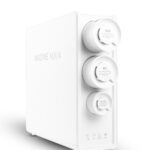
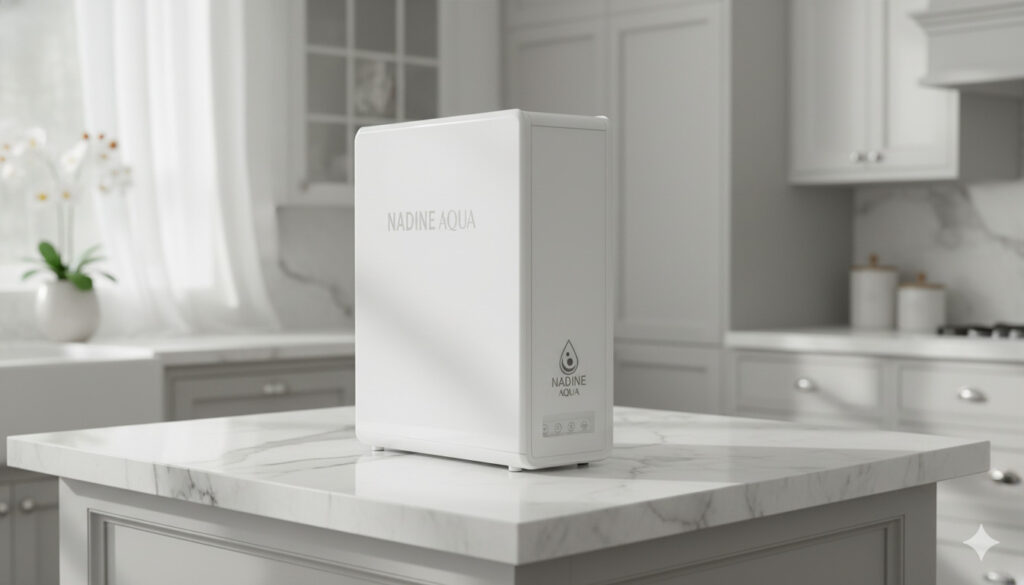
Nadine Aqua’s M-Series under-sink filter system incorporates this approach within an 11-stage filtration process. After the reverse osmosis membrane removes contaminants, an alkaline mineralisation stage restores natural minerals and raises water pH to approximately 7.1, placing every glass precisely within the optimal drinking range.
The Full Filtration Stages Inside a Properly Designed Under-Sink Filter System
A properly designed under-sink filter system maintains consistent water pH through a controlled sequence of filtration stages.
Sediment pre-filter: Removes suspended particles and sediment before water reaches the RO membrane. This stage protects membrane performance and extends service life.
Activated carbon pre-filter: Removes chlorine, chloramines, and organic compounds that affect taste, water chemistry, and membrane integrity.
Reverse osmosis membrane: Removes up to 99% of contaminants including PFAS, heavy metals, fluoride, nitrates, bacteria, viruses, and microplastics.
Alkaline mineralisation stage: Restores calcium, magnesium, and trace minerals. This stage raises water pH to the optimal 7.0 to 7.5 range.
Carbon post-filter polishing stage: Removes any residual taste or odour, delivering clean, fresh-tasting water at the tap.
UV LED sterilisation: Eliminates bacteria and viruses, providing complete microbiological safety alongside chemical and mineral balance.
Each stage contributes to the final quality and pH of drinking water. Proper maintenance of every stage is essential for consistent, reliable pH balance day after day.
How to Test Drinking Water pH at Home in the UK
UK homeowners can test drinking water pH using three practical methods.
pH test strips: Litmus-based strips provide a quick indication accurate to approximately 0.5 pH units. Test strips are available from aquatic and gardening suppliers and represent the most affordable starting point.
Digital pH meters: Electronic meters measure pH accurately to 0.1 units after calibration with buffer solution. Digital meters provide more reliable and consistent results than test strips for ongoing monitoring.
Laboratory water testing services: UK-accredited laboratories offer postal testing kits providing comprehensive water quality reports covering pH, hardness, heavy metals, and contaminant levels.
Households using a Nadine Aqua M-Series under-sink filter system can monitor real-time filter status directly through the smart faucet display, ensuring the remineralisation stage responsible for maintaining pH balance remains fully active and effective at all times.
For most households, the ideal solution is a pH-balanced drinking water system in the UK that combines advanced filtration, remineralisation, and long-term convenience in a single system.
Frequently Asked Questions
Q1: Does reverse osmosis make water acidic?
Yes, standard reverse osmosis removes buffering minerals, producing water at pH 5.5 to 6.5. A quality under-sink filter system always includes a post-RO remineralisation stage that restores minerals and raises pH back to the ideal 7.0 to 7.5 range before the water reaches the drinking tap.
Q2: Is alkaline water above pH 8 better than neutral water for daily drinking?
Water between pH 7.0 and 7.5 with restored natural minerals is the optimal daily choice. Water with very high pH above 9.0 is not proven to deliver significantly greater health benefits and may interfere with normal digestion when consumed regularly over time.
Q3: What pH is London tap water?
London tap water typically has a pH between 7.5 and 8.5 due to high calcium and magnesium carbonate content from chalk and limestone geology. While this falls within acceptable limits, London water is very hard, causing limescale and a chalky taste. A reverse osmosis under-sink filter system with remineralisation delivers softer, purer water balanced to the ideal pH for daily drinking.