Top 5 Considerations for Buying for Water Purifier Machine in London
If you have been thinking about getting a purified water machine for home use in the UK, you are not alone.
Families across London and beyond are moving away from tap water and endless plastic bottles towards clean, filtered water straight from the kitchen tap.
But here is the honest truth. Not all water purifiers work the same. Some only improve the taste.
Others go much deeper and remove serious contaminants like lead, chlorine, and microplastics. It’s confusing to know what really matters when there are so many options.
This guide covers the five most important things to check before you buy.
Why UK Tap Water Is Not Always Enough
UK tap water meets the legal minimum safety standards. But meeting the minimum is not the same as being truly clean.
Tap water contaminants across the UK can include chlorine, fluoride, lead from ageing pipes, PFAS (forever chemicals), and even microplastics. Most of it is invisible, but it is there.
A proper purified water machine for home use does not just improve the taste. It removes what the tap leaves behind.
Top 5 Things to Look for in a Purified Water Machine for Home Use
1. The Type of Filtration Technology
This is the single most important factor. Not all filters work the same way.
Reverse osmosis filtration is widely considered the most effective method for home use. It forces water through a fine RO membrane (just 0.0001 microns) that blocks dissolved contaminants, including heavy metals, bacteria, and microplastics. Quality systems combine RO with extra stages like carbon filtration and UV sterilisation for full-spectrum protection.
What to check before buying:
- Does the system use a proper RO membrane?
- How many filtration stages does it have?
- Is UV sterilisation included as standard?
A 10 or 11-stage system with UV gives significantly more protection than a basic 3 or 5-stage filter.
2. Flow Rate and Tankless Design
Older RO systems stored purified water in a large pressure tank under the sink. These tanks are bulky, slow to refill, and can harbour bacteria over time if not maintained properly.
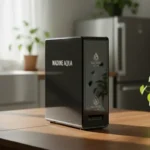
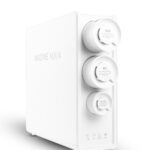
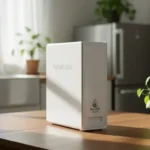
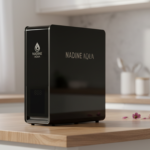
Newer systems use a tankless water filter design. Water is purified on demand as you need it, with no storage tank required. Look for a system with a high water flow rate, measured in GPD (gallons per day). A flow rate of 400 to 1,000 GPD means instant water without waiting around.
If you have a smaller kitchen or live in a flat, a compact tankless design can save up to 70% of the under-sink cabinet space compared to traditional systems.
3. Alkaline Remineralisation
This is something many buyers overlook entirely. The reverse osmosis process is so thorough that it also strips out beneficial minerals like calcium and magnesium. These minerals matter for both your health and the taste of your water.
A quality purified water machine for home use should include an alkaline remineralisation stage. This adds those minerals back in after filtration, restoring your water to a natural pH of around 7.1. This is often referred to as mineralised RO water or pH-balanced water.
Why this stage matters:
Without remineralisation, your filtered water may taste flat and lack the minerals your body uses every day. It is worth checking this is included before you commit to a purchase.
4. Certifications and Safety Standards
In the UK, it is worth buying a system that has been independently tested and certified. Look for these marks when comparing products:
- NSF certification (international standard for water treatment equipment)
- CE marking (recognised safety standard across the UK and Europe)
- UKCA mark (the UK’s own product conformity and safety mark)
These certifications confirm the system has been properly tested and actually does what the manufacturer claims. Uncertified systems may offer very little beyond basic taste improvement.
Other quality features worth checking:
- Is there a smart faucet with live TDS (Total Dissolved Solids) monitoring?
- Does the system send alerts when filter replacement is due?
- Are the annual filter costs clearly listed?
5. Installation and Long-Term Maintenance
Many people assume water purifiers are difficult to set up. The reality is that most modern under-sink water filter systems are designed for straightforward DIY installation. No specialist tools required and no plumber needed.
Before buying, check the following:
- Does it come with a clear, simple instruction guide?
- Does it need a dedicated faucet, or can it connect to your existing tap?
- How often do filters need replacing, and what does that cost each year?
A good under-sink RO filter system should be easy to install and even easier to maintain over time. Smart filter life tracking through the faucet display removes all guesswork.
Matching the Right System to Your Home
Here is a practical way to think about it. If you live in a London flat or a smaller home, prioritise a compact, tankless system with a strong flow rate. If you have a larger family, focus on output capacity and the number of filtration stages.
Either way, a purified water machine for home use that combines reverse osmosis, UV sterilisation, and alkaline remineralisation will serve most UK households very well.
Final Thoughts
Choosing the right purified water machine for home use does not need to be overwhelming.
Keep your focus on five things: filtration technology, flow rate and tankless design, alkaline remineralisation, certifications, and ease of installation.
UK tap water does a reasonable job of meeting basic safety standards. But for clean, great-tasting, mineral-balanced water that your whole family can trust every day, a properly specified reverse osmosis filtration system makes a genuine difference.
Take your time, compare your options, and choose something built to last.
Frequently Asked Questions
- Is a purified water machine for home use safe for babies and young children?
Yes. A certified reverse osmosis system with an alkaline remineralisation stage is safe for the whole family and even for babies. It removes harmful contaminants and restores vital minerals, so it’s trusted for making baby formula and everyday family drinking water.
- How much does it cost to run a home water purifier in the UK?
The main running cost comes from filter replacements. Most quality systems require cartridge changes once or twice a year. Annual costs typically range from £50 to £150 depending on the model and filter type. This is considerably less than the average UK household spends on bottled water each year.
- Do reverse osmosis systems waste a large amount of water?
Older RO systems did waste a lot of water due to poor pure-to-drain ratios. Modern, efficient systems typically achieve a 3:1 ratio, meaning three litres of purified water are produced for every one litre sent to the drain. Always check the pure-to-drain ratio before purchasing a system.