How to Choose the Best Water Filter for UK Tap Water in 2026
UK tap water is technically safe to drink, but “technically safe” and “actually tastes good” are two very different things. Between hard water regions and that faint chlorine smell some mornings, plenty of UK households are ready for something better.
We talk to homeowners across the UK every week who are tired of kettle limescale and water that just doesn’t taste right. Here’s an honest breakdown of how to choose the best water filter for UK tap water in 2026, without the confusing jargon.
Why So Many UK Homes Are Switching to Filtered Water
Hard water is the biggest complaint we hear, especially in areas with high mineral content. It leaves limescale on kettles, taps, and glassware, and it can affect how tea and coffee actually taste.
Beyond hardness, some households simply want a home water filter for UK tap water that reduces chlorine taste and any lingering odour. Bottled water isn’t a sustainable long-term fix either, given the cost and plastic waste it creates. A proper filtration system solves both problems at once.
What to Actually Look for in a UK Home Water Filter
Not all filters are built the same, and UK tap water has its own specific quirks depending on your region. Here’s what matters most when comparing options:
- Filtration stages that target chlorine, sediment, and dissolved minerals
- A flow rate that keeps up with a busy household kitchen
- Compact, tankless design if your under-sink space is limited
- Alkaline or mineral boost stages for better taste after filtration
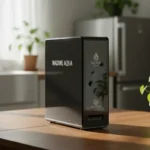
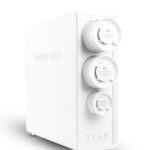
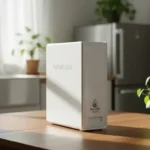
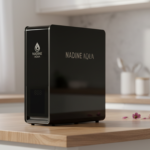
Our NAQ-G8 handles all of this with 11-stage filtration and a fast 800 GPD flow rate, so filling a kettle or a pot doesn’t mean standing around waiting.
Reverse Osmosis vs Carbon Filtration for UK Water
This comparison comes up constantly, and for good reason. Carbon filtration handles chlorine taste and odour well but doesn’t go much deeper than that.
Reverse osmosis, on the other hand, removes a far wider range of dissolved solids, hardness minerals, and contaminants. If your area deals with particularly hard water or you want a deeper level of treatment, a drinking water filtration system in the UK built around RO technology makes more sense long term. Our systems combine both, using RO membranes alongside carbon stages for broader results.
Installation and Space Considerations for UK Kitchens
UK kitchens, especially in older homes and flats, often have limited under-sink space. This is where tankless design genuinely makes a difference.
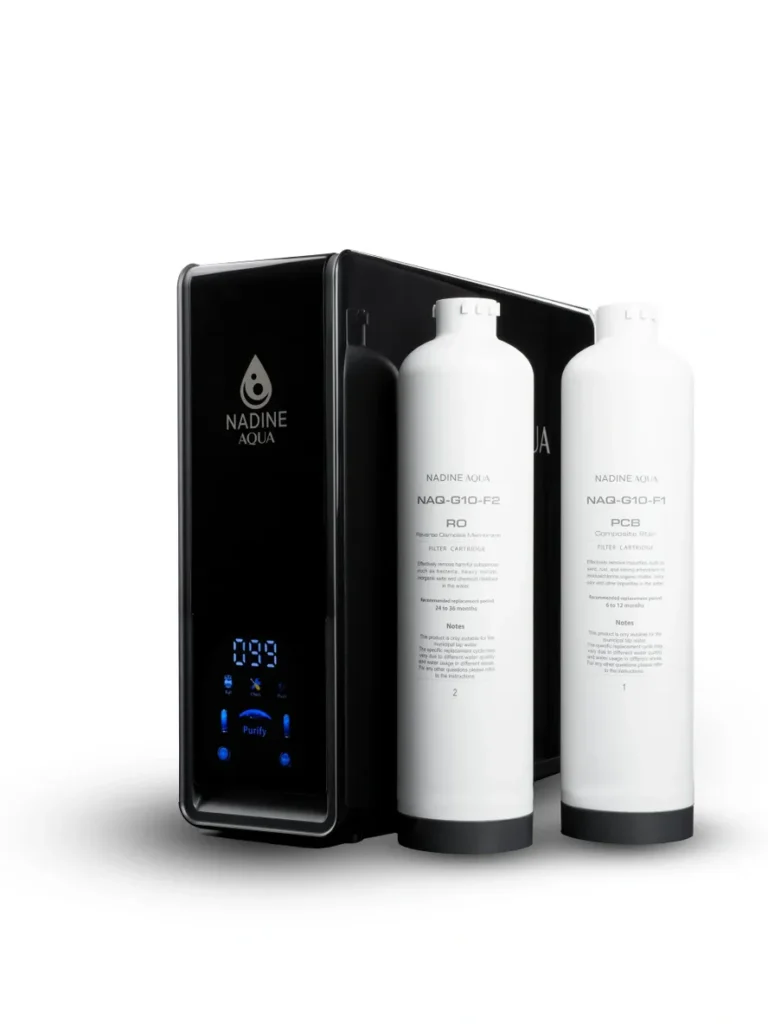
Our systems skip the bulky tank found in older filtration units, which frees up cabinet room for everything else you’re already storing there. Installation connects directly to your existing cold water line and typically takes under an hour. No major plumbing work, no permanent changes that would concern renters or landlords.
Maintenance and Filter Replacement Made Simple
Nobody wants a system that requires constant attention. A water filter for improving tap water should genuinely make life easier, not add another chore to your list.
With our units, PCB and carbon filters last 12 to 18 months, while RO membranes hold up for 18 to 24 months depending on usage. A smart filter life monitoring system tells you exactly when it’s time for a swap. Replacement takes about 3 seconds with a simple push-button design, no tools or technician visit required.
Comparing Long-Term Costs: Filter System vs Bottled Water
Bottled water costs pile up quietly over months and years. Add in the plastic waste, and it’s not exactly the eco-friendly choice most people assume it is.
Switching to a home filtration system can reduce your water-related spending by up to 70% over time. You invest once in the unit, then only pay for occasional filter replacements after that. It’s a simpler routine, and your kitchen stays free of bottled water clutter.
Which Nadine Aqua System Fits Your UK Household
Most households do well with the NAQ-G8, built for everyday family use with reliable 800 GPD flow and dual water outlets. If you’re running a café, small business, or just have a larger household with heavy demand, the NAQ-P15 offers ultra-fast 1500 GPD flow designed for higher-volume settings.
Both models include 11-stage filtration, a smart digital display, and a tankless build that won’t crowd your cabinet.
Final Thoughts on Choosing Your Filter
Finding the best water filter for UK tap water really depends on your local water hardness, your kitchen space, and how much filtration depth you actually want. Skip the guesswork and choose a system built for what UK homes specifically deal with.
We test every unit before it reaches your kitchen and support you through installation. If you’re ready for better-tasting water without the kettle limescale, get in touch and we’ll help you find the right fit.
Frequently Asked Questions
Does a home water filter actually reduce UK water hardness?
Yes, our systems with reverse osmosis membranes reduce the dissolved minerals responsible for hardness and limescale build-up. This also improves how tea, coffee, and drinking water taste day to day. Alkaline boost stages then reintroduce healthy minerals afterward for a more balanced result.
How often should I replace filters in a UK home filtration system?
Nadine Aqua’s water filters typically need replacing every 12 to 18 months, while RO membranes last 18 to 24 months. Actual timing depends on your household’s water usage and local water quality. Smart monitoring systems alert you automatically, so you’re never guessing when it’s time.
Is filtered tap water better than bottled water for UK households?
Filtered tap water is generally more cost-effective and environmentally friendly than relying on bottled water long term. It also removes the hassle of storing and carrying heavy water packs home regularly. Quality filtration systems can match or exceed bottled water taste without the ongoing expense.
Can a water filter help with the chlorine smell in UK tap water?
Yes, carbon filtration stages specifically target chlorine taste and odour, which many UK residents notice more in certain seasons. This is often one of the first improvements households notice after installing a filter. Combined with sediment filtration and other stages, it results in noticeably fresher-tasting water.
Do UK renters need permission to install an under-sink water filter?
It depends on your tenancy agreement, though most under-sink systems are removable and don’t require permanent plumbing changes. Checking with your landlord first is always a good idea before installation. Tankless designs make removal straightforward if you move before the lease ends.