Can an RO Water Filter Reduce Limescale in Your Home?
If you’ve noticed a chalky white film on your kettle or crusty white spots around your taps, you already know what UK hard water does over time. So, it makes sense you’re asking whether an RO water filter can actually reduce limescale, or if that’s a job for a completely different system. At Nadine Aqua, we get asked this constantly by UK homeowners tired of scrubbing scale off everything. Let’s answer it properly.
Why UK Tap Water Causes Limescale Build-Up in the First Place
Limescale forms because tap water in many parts of the UK carries high levels of dissolved calcium and magnesium. When the water heats up or evaporates, those minerals don’t just disappear, they get left behind as hard, chalky deposits. Some areas feel this more than others, London, the South East, parts of the Midlands, all known for having particularly hard water. Over time, that’s what limescale in UK tap water does, it builds up inside kettles, coffee machines, around your taps, all of it.
Can an RO Water Filter Reduce Limescale? The Short Answer
Yes, it can. An RO water filter for limescale works by getting rid of the calcium and magnesium minerals that cause scale in the first place, before that water ever reaches your glass or kettle. Reverse osmosis pushes the water through a membrane so fine it filters out almost all of those dissolved minerals. End result: water coming out of an RO tap won’t leave behind that same chalky residue you’d get from untreated tap water.
How Reverse Osmosis Removes the Minerals That Cause Limescale
The RO membrane is the key player here. Water gets forced through a surface so fine that dissolved mineral particles simply can’t pass through with it. What comes out the other side is water with dramatically reduced hardness. This is why reverse osmosis for hard water has become such a popular solution for households fed up with constant scale buildup on kitchen surfaces.
Where RO Filtration Helps Most: Kettles, Taps, and Drinking Water
The biggest difference shows up in places where water sits or heats up repeatedly. Kettles filled with RO-filtered water stay noticeably clearer for longer, without that gritty white layer forming at the bottom. Coffee machines run smoother too, and drinking glasses stop developing that cloudy film after they dry. This is the everyday, visible benefit most homeowners notice first.
What RO Filters Can’t Fix: Limescale in Pipes and Appliances
Here’s the honest part. An under-sink RO system filters the water coming out of one specific tap, typically your kitchen tap. It won’t reduce limescale building up inside your boiler, washing machine, or the pipes feeding your bathroom. For whole-home limescale control, you’d need a separate whole-house softening system working alongside your RO filter, not instead of it.
Reverse Osmosis for Hard Water vs Water Softeners: What’s the Difference
Water softeners treat all the water entering your home, swapping hard minerals for sodium through a process called ion exchange. RO systems, on the other hand, focus specifically on drinking and cooking water, removing minerals along with a wide range of other contaminants softeners don’t touch. Many UK households use both together, a softener for the whole house and RO for the tap they actually drink from.
How Nadine Aqua’s Under-Sink Systems Handle Hard Water in UK Homes
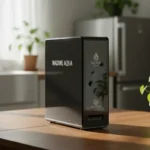
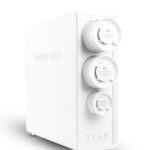
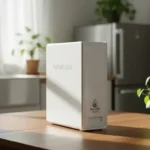
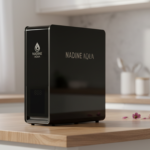
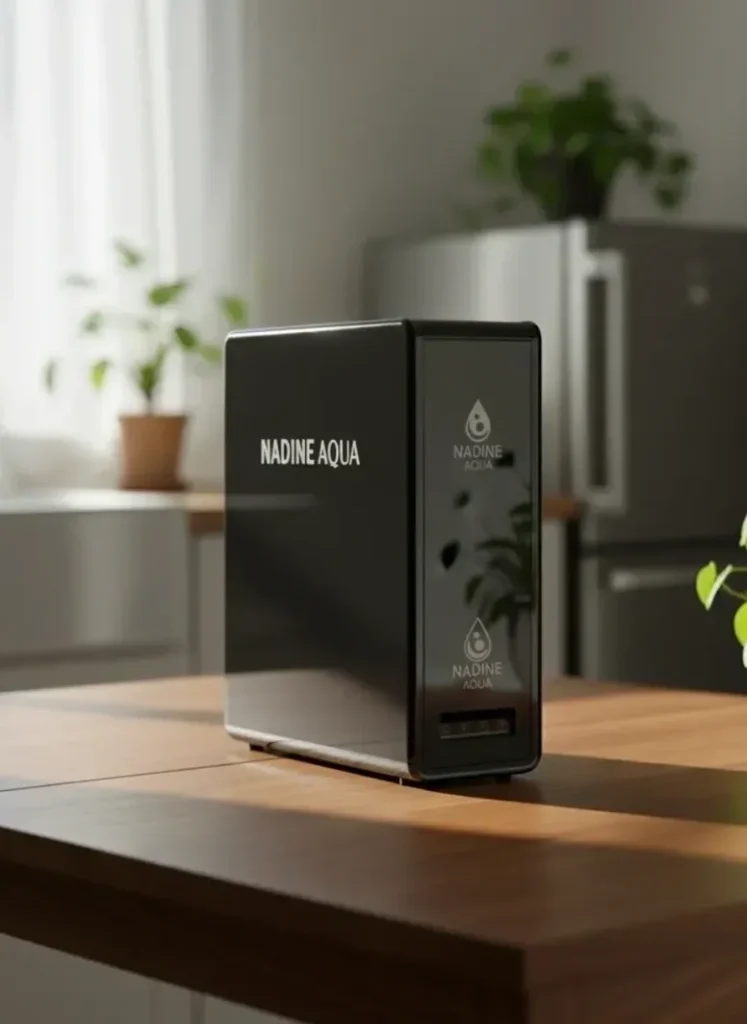
We build every system as a compact design water filter that tackles hard water minerals directly at your kitchen tap. Our 11-stage systems combine sediment filtration, carbon filtration, and RO membrane filtration to reduce both limescale-causing minerals and other common contaminants. After filtration, we reintroduce healthy minerals through a mineralized process, so your water still tastes balanced rather than flat.
If limescale has taken over your kettle and taps, explore Nadine Aqua’s under-sink RO systems in the UK and see how a proper filtration setup can change your daily water at home.
Frequently Asked Questions
Does RO-filtered water taste different because of reduced minerals?
RO filtration removes most dissolved minerals, including the ones causing limescale, but quality systems reintroduce healthy minerals afterward. This keeps the water tasting fresh and balanced rather than flat or overly stripped. Without remineralization, some people notice a slightly different taste compared to untreated hard water they’re used to drinking.
How quickly will I notice less limescale after installing an RO filter?
Most homeowners notice a difference within a few weeks, particularly in kettles and glasses that dry with visible spots. Existing limescale already built up on appliances won’t disappear immediately, but new buildup slows down significantly once RO-filtered water becomes your regular drinking and cooking source.
Is reverse osmosis suitable for UK homes with very hard water areas?
Yes, RO systems are actually more valuable in high hardness areas like London and the South East. The membrane filtration process removes a large percentage of dissolved calcium and magnesium regardless of how hard the incoming water is, making it effective even in regions known for particularly hard tap water.
Do I need a water softener if I already have an RO system?
It depends on what you’re trying to protect. An RO system handles the water you drink and cook with, but a softener protects your whole plumbing system, boiler, and appliances from limescale buildup. Many UK households use both for complete coverage across the entire home.
Will an RO filter stop limescale from forming on my bathroom taps?
No, an under-sink RO system typically filters water for one dedicated tap, usually in the kitchen. Bathroom taps and showerheads draw from your regular water supply, so they’ll continue collecting limescale unless you install a whole-house softening system alongside your RO filter.