Does Reverse Osmosis Remove Lead from UK Tap Water?
Yes, reverse osmosis removes lead from UK tap water, and it does it well. If you live in a home with older plumbing, that answer probably matters more than you’d like. Lead pipes were standard in the UK until the 1970s, and plenty of them are still doing their job somewhere between the mains and your kitchen tap.
We get asked about this constantly, usually by homeowners who’ve just discovered their property has lead pipework and want a straight answer, not a sales pitch. So let’s go through exactly how reverse osmosis handles lead, and what it means for your household.
Why Does Lead Still Show Up in UK Tap Water Today?
Lead pipes were common in UK homes built before 1970, and many were never fully replaced. Water companies have swapped out most lead pipes in the public supply network, but the pipework running from the street into your house, often called the supply pipe, is frequently the homeowner’s responsibility.
That means lead in UK tap water isn’t always about your water company. It’s often about the last few metres of pipe that nobody’s touched since your house was built.
Lead doesn’t leach at a steady rate either. It releases more when water sits still in the pipes overnight, or when water is naturally soft and slightly acidic, since soft water corrodes old lead fittings more easily. Older properties in cities with older housing stock carry the highest risk.
How Does Reverse Osmosis Actually Remove Lead from Water?
Reverse osmosis works by pushing water through a semi-permeable membrane with extremely small pores. Lead particles, along with most other contaminants, are simply too large to pass through.
Water molecules squeeze through the membrane, while lead and other heavy metals get left behind and flushed away. This is why an RO water filter for lead is considered one of the most reliable home filtration methods available, since it relies on a physical barrier rather than a chemical process that can wear out unpredictably.
Reverse osmosis membranes are widely recognised for delivering a meaningful reduction in lead levels under normal home conditions. That matters for anyone thinking long term, particularly households with young children or pregnant women, where lead sensitivity runs higher.
Which UK Homes Are Most at Risk from Lead Pipes?
Properties built before 1970 carry the highest risk, especially in cities like London, Manchester, Glasgow, and Edinburgh, where Victorian and Edwardian housing stock is common. If your home still has its original supply pipe, there’s a real chance part of it is lead.
You can often spot lead pipes yourself. They’re a dull grey colour, feel soft enough to scratch with a coin, and don’t show a seam running along their length the way copper pipes do. Finding one doesn’t mean panic, but it does mean the issue is worth taking seriously.
Renting doesn’t remove the risk either. Older rental properties across the UK can carry the same outdated pipework as owner-occupied homes, and landlords aren’t always aware of what’s hidden behind their walls.
What Else Can Reverse Osmosis Filter Out Besides Lead?
Lead removal is just one part of what reverse osmosis water filtration in the UK actually delivers. The same membrane technology also targets a wide range of other contaminants that can end up in tap water.
Our 11-stage RO systems remove chlorine, pesticides, and heavy metals like arsenic and mercury alongside lead. They also work as a PFAS removal water filter, targeting the modern chemical contaminants that standard water treatment doesn’t always catch. On top of that, they act as a fluoride removal water filter for anyone who prefers to control their own fluoride intake.
So, while lead might be the reason you started looking into reverse osmosis, you end up with protection against a much wider list of unwanted substances at the same time.
How Do You Know If an RO System Is Working Properly?
A properly maintained RO system should consistently reduce lead and other contaminants, but performance depends on keeping filters and membranes fresh. Our systems include a smart filter life monitoring feature that tells you exactly when a cartridge needs replacing, so performance never quietly drops without warning.
Membranes typically last 18 to 24 months, while earlier stage filters need replacing every 12 to 18 months, depending on household use. Skipping replacements is the most common reason an RO system stops working as well as it should.
If you’re ever unsure, water testing kits can confirm lead levels before and after filtration, giving you real numbers instead of guesswork.
How We Build Our RO Systems for Homes with Lead Concerns
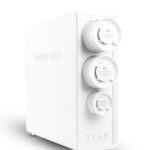
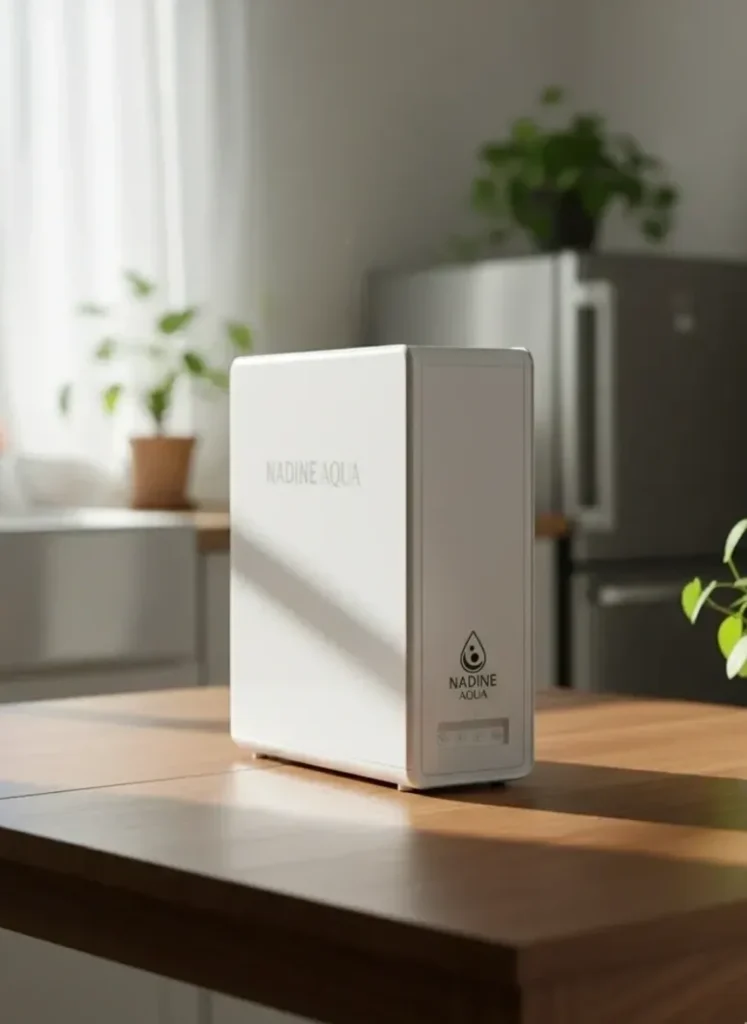
We designed our under-sink systems specifically for households that want serious protection without a complicated setup. Every unit runs on 11-stage advanced filtration, built to catch lead along with the chemicals and heavy metals that often travel alongside it in older plumbing.
Many of our models add UV LED sterilisation on top of filtration, giving your water an extra layer of protection against bacteria before it reaches your glass. After filtration strips out the unwanted substances, our mineralised RO system adds balanced minerals back in, so your water tastes fresh rather than flat or overly stripped.
Installation stays simple thanks to our compact, tankless design, which fits under a standard UK kitchen sink without eating into storage space. Some models include a smart faucet water filter with a separate channel for filtered water, so you’re not drilling extra holes into your countertop.
If lead pipework is on your mind, reverse osmosis genuinely earns its reputation as one of the most dependable answers around. That’s exactly why we built our systems around it.
FAQs About Reverse Osmosis and Lead in UK Tap Water
Can boiling water remove lead from tap water?
No, boiling water does not remove lead, and it can actually make lead concentration worse. As water evaporates during boiling, lead stays behind and becomes more concentrated in what remains. Filtration methods like reverse osmosis are far more effective at physically removing lead from drinking water.
How do I check if my home has lead pipes?
Look at exposed pipework near your water meter or under the kitchen sink. Lead pipes are dull grey, feel soft when scratched gently with a coin, and show no visible seam along their length. If you’re unsure, a plumber or your local water company can confirm it for you.
Is a jug filter enough to remove lead from water?
Basic jug filters usually reduce chlorine taste and some particles, but they aren’t designed to remove lead effectively. Reverse osmosis systems use a much finer membrane that specifically targets heavy metals like lead, making them a more reliable choice for households with older plumbing.
Does UK tap water legally allow lead in the supply?
UK regulations set a strict legal limit for lead in drinking water, and water companies must treat supplies to meet it. Lead can still enter water after it leaves the treatment works though, particularly through old lead pipes on private property that the water company doesn’t manage.
How often should I test my water for lead?
Testing once, especially if your home was built before 1970, gives you a useful baseline. After that, retesting every couple of years or after any plumbing work is a sensible habit. Combining testing with an RO filtration system gives you both proof and protection.
Will reverse osmosis remove too many minerals from my water?
Reverse osmosis does remove most dissolved minerals along with contaminants like lead. Good systems, including mineralised RO designs, add balanced minerals back in after filtration. This keeps water tasting fresh and supports daily hydration without leaving it flat or overly stripped.