What Happens to PFAS After a Water Filter Removes Them?
PFAS keeps popping up in the news, and if you have started paying closer attention to what is in your tap water, you are asking the right questions. Once a water filter catches PFAS, where does it actually go? It is a fair question, and one every UK homeowner researching filtration deserves a clear answer to.
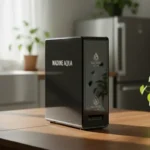
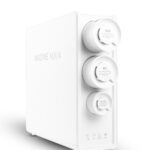
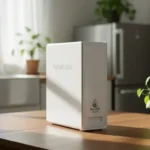
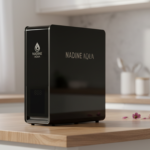
At NADINE AQUA, we take water safety seriously, which is why our water filtration systems are built to target these persistent chemicals directly. Our PFAS removal water filter technology does not just claim to work. It uses proven multi-stage engineering to trap and hold contaminants so they stay out of your glass.
What Are PFAS and Why Do They Matter for UK Drinking Water?
PFAS are a group of man-made chemicals used in everything from non-stick cookware to waterproof fabrics. They do not break down easily in the environment, which is why people call them forever chemicals. Over time, they can make their way into water supplies through industrial runoff and everyday product use.
UK households are increasingly aware of PFAS because these chemicals can persist in water systems for years. That persistence is exactly why filtration matters. Regular boiling will not remove PFAS, so the right filtration technology becomes essential.
How Do Water Filters Remove PFAS From Tap Water?
Filters remove PFAS through a physical trapping process rather than chemical breakdown. As water passes through fine membranes and activated media, PFAS molecules get caught in the filtration layers instead of passing through to your tap. Reverse osmosis for PFAS removal is considered one of the most effective methods available for home use.
Our 11-stage RO water filter uses multiple layers working together, so water passes through progressively finer stages. Each stage targets different contaminants, and by the time water reaches your glass, PFAS along with lead, fluoride, and other chemicals have been filtered out.
So, What Actually Happens to PFAS Once They Are Trapped in the Filter?
Once PFAS molecules are caught inside the filter media, they stay trapped there rather than dissolving back into your water. This is the whole point of a well-designed filtration system. The contaminants are physically held within the cartridge until you replace it.
This is why timely filter replacement matters so much. A filter that has done its job for months is holding onto everything it has caught. Swapping it out on schedule means you are removing that trapped material from your system entirely, not just leaving it to sit indefinitely.
Why Filter Replacement Timing Matters for PFAS Filtration for Drinking Water
A filter can only hold so much before it becomes less effective. Our systems come with smart filter life monitoring that alerts you automatically when a cartridge is reaching the end of its service life, so you are never guessing.
Typically, PCB and CB filters need replacing every 12 to 18 months, while RO membranes last 18 to 24 months depending on usage. Replacing filters on schedule keeps PFAS filtration for drinking water working at full strength. We also made replacement simple. Push a button and swap the cartridge in under three seconds, no technician or tools required.
How NADINE AQUA Builds Protection Against Modern Contaminants into Every System
We designed our systems specifically to handle today’s water quality concerns, not just yesterday’s. Every unit works as a PFAS removal water filter alongside lead and fluoride removal, giving UK households comprehensive protection in one compact system. Many models also include UV LED sterilization, destroying bacteria and viruses for an extra layer of safety.
After filtration, our mineralized RO water system restores healthy minerals for pH-balanced, better-tasting water. You get water that is genuinely clean and enjoyable to drink, not just technically safe. If PFAS in your tap water has been on your mind, we would love to help you find the right filtration system for your home.
Frequently Asked Questions
Can boiling water remove PFAS (forever chemicals) from drinking water?
No, boiling does not get rid of PFAS and can actually concentrate them slightly as water evaporates. PFAS chemicals are chemically stable and resistant to heat breakdown, which is why proper filtration methods like reverse osmosis are needed to physically remove them from drinking water.
Which filtration method is most effective at removing PFAS from tap water?
Reverse osmosis is widely regarded as one of the most effective home filtration methods for PFAS removal. It uses a fine membrane that physically blocks contaminant molecules from passing through, combined with multiple pre-filtration stages that improve overall removal performance for various PFAS compounds.
Does a PFAS filter need to be replaced more often than a standard filter?
Replacement frequency depends on water usage and contaminant levels rather than PFAS specifically. Standard schedules apply, with pre-filters lasting 12 to 18 months and RO membranes lasting 18 to 24 months. Smart monitoring systems alert homeowners automatically when replacement is needed.
Is filtered water with PFAS removal safe for cooking as well as drinking?
Yes, water filtered through a proper PFAS removal system is safe for both cooking and drinking. Since PFAS contamination affects all uses of tap water, having a whole-filtration point at your kitchen sink protects your family across cooking, drinking, and food preparation consistently.
How do I know if my current water filter actually removes PFAS?
Check whether your filter uses reverse osmosis or activated carbon technology specifically rated for PFAS reduction, as not all filters target these chemicals. Systems with multi-stage RO filtration and manufacturer testing data provide the clearest confirmation that PFAS removal is genuinely built into the design.