What Is PFAS and Why Do You Need PFAS Removal Water Filters?
Most people have never heard of PFAS. But the chances are high that PFAS have been in the drinking water of UK households for decades, quietly accumulating without anyone knowing. These are not the kind of contaminants that make water look cloudy or smell odd. PFAS are invisible, odourless, and largely tasteless.
The only way to know PFAS are present is to test for them specifically. The reason they have earned the nickname “forever chemicals” is genuinely alarming: they do not break down in the environment or in the human body.
A PFAS removal water filter in the UK is becoming an increasingly important consideration for households who want to take a proactive approach to long-term drinking water safety. This blog explains what PFAS are, where they come from, why they matter, and what filtration actually removes them effectively.
Here is what this blog covers:
- What PFAS are and why they are called forever chemicals
- Where PFAS come from and how they enter UK water supplies
- What the health research says about long-term PFAS exposure
- Which filtration methods actually remove PFAS effectively
- Why a multi-stage home system is the most practical solution
- What Nadine Aqua offers for PFAS removal in UK homes
What PFAS Are and Why the “Forever Chemicals” Label Is Accurate
PFAS stands for per- and polyfluoroalkyl substances. This is a large family of more than 12,000 synthetic chemicals that have been used in manufacturing and consumer products since the 1940s.
The reason PFAS became so widely used is straightforward: they are extraordinarily effective at their job. They repel water, repel oil, and resist heat. These properties made them valuable across many industries and products, including:
- Non-stick cookware coatings
- Food packaging and microwave popcorn bags
- Waterproof and stain-resistant clothing and carpets
- Firefighting foam used at airports and military bases
- Industrial cleaning and manufacturing processes
The problem is that the same chemical bond that makes PFAS so durable and useful, the carbon-fluorine bond, is one of the strongest bonds in chemistry. PFAS do not break down in the environment when they are disposed of. They accumulate in soil, water, and living organisms over time.
When PFAS enter the human body through drinking water, food, or other routes, they do not get processed and eliminated the way most substances do. They accumulate in organs and tissues over years and decades of exposure.
How PFAS Enter UK Drinking Water Supplies
PFAS contamination of drinking water happens through several routes, all of which are relevant in the UK.
Industrial discharge
Factories that manufacture or use PFAS-containing products have historically released these chemicals into nearby waterways and groundwater.
Firefighting foam
AFFF (aqueous film-forming foam) used at airports, military bases, and fire training sites contains PFAS that leach into the ground over time and contaminate local groundwater sources.
Agricultural land
Sewage sludge used as a fertiliser on UK farmland has been found to contain PFAS, which can then enter nearby water sources through runoff.
Landfill sites
Products containing PFAS that end up in landfill can leach chemicals into groundwater beneath and around the site over many years.
Studies in the UK have detected PFAS in drinking water samples across multiple regions. The concentrations detected are generally low, but the scientific and regulatory concern is about long-term cumulative exposure rather than acute toxic effects from a single dose.
What the Health Research Says About Long-Term PFAS Exposure
Much of the research on PFAS health effects comes from occupational exposure studies, animal research, and communities with unusually high PFAS contamination levels.
The health concerns identified in research include:
- Disruption of thyroid hormone function
- Elevated cholesterol levels
- Reduced immune response, including reduced vaccine effectiveness in children
- Increased risk of certain cancers including kidney and testicular cancer in populations with high occupational exposure
- Reproductive and developmental effects at high exposure levels
The key issue is long-term cumulative exposure. PFAS that enter the body accumulate over time. Daily consumption of low-level PFAS through drinking water over 20 or 30 years is a meaningfully different situation from a single exposure event.
The UK’s Drinking Water Inspectorate monitors PFAS in drinking water, and regulatory limits have been tightening as research develops. However, standards focus primarily on the most well-studied PFAS compounds. The broader family of PFAS chemicals may not all be covered by current monitoring frameworks.
Which Filtration Methods Actually Remove PFAS From Drinking Water
Not all water filters remove PFAS. Many common household filters, including standard pitcher filters and basic activated carbon granular filters, have very limited effectiveness against PFAS.
Reverse osmosis (RO) filtration is the most effective home filtration method for PFAS removal. The semi-permeable RO membrane blocks PFAS compounds along with many other dissolved contaminants. Quality RO systems can remove 90 to 95 per cent or more of tested PFAS compounds.
High-quality activated carbon block filters can remove many PFAS compounds when water has sufficient contact time with the carbon. These are most effective as part of a multi-stage system that combines them with other filtration technologies rather than as a standalone filter.
What does not effectively remove PFAS: Standard granular activated carbon (GAC) filters, commonly found in pitcher filters and many fridge filters, have limited effectiveness against PFAS. Basic single-stage filters are not an adequate solution for households with serious water contamination concerns.
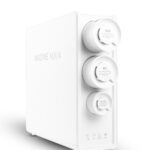
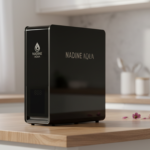
For UK households, Nadine Aqua’s multi-stage water filtration system combines quality activated carbon filtration with an RO membrane for PFAS removal.
Why the Precautionary Approach Makes Sense for UK Families
Some people hesitate because PFAS concentrations in most UK tap water meet current regulatory limits. That is a reasonable observation, but it is worth thinking through carefully.
Regulatory limits represent the threshold at which known harm has been demonstrated at the population level. They do not represent a threshold below which no risk exists. Given that PFAS accumulate in the body over decades, the long-term picture matters more than any individual measurement.
Children are a particularly important consideration. A child drinking PFAS-containing tap water from infancy through to adulthood has decades of accumulation ahead of them. The total body burden over a lifetime is what matters for long-term health outcomes, and that calculation starts from the very first glass.
Investing in a quality PFAS removal water filter in the UK is not an extreme precaution. It is a sensible, practical step that removes the ongoing uncertainty entirely.
Household Water Safety Beyond PFAS: The Full Picture
PFAS are one of the more concerning contaminants in UK water, but they are not the only concern. A good home filtration system should address the full range of what is present in UK tap water.
Common issues in UK water supplies include:
- Chlorine and chloramines from the treatment process, which affect taste and carry byproducts
- Lead from older pipes in homes built before 1970
- Nitrates in rural areas from agricultural runoff
- Limescale minerals from hard water areas across much of England
- Microplastics, which are increasingly detected in water supplies
A comprehensive multi-stage filtration system addresses all of these alongside PFAS. This is the whole-water-quality approach that a serious home filtration system delivers.
What Nadine Aqua Offers for PFAS Removal in UK Homes
At Nadine Aqua, our British-designed filtration systems are built to deliver comprehensive water purification for UK households who want to take their water quality seriously.
Here is what our systems include:
PFAS Removal is built into our systems through the combination of high-quality activated carbon filtration stages and the RO membrane, which together provide effective protection against PFAS compounds in drinking water.
11-Stage Advanced Filtration addresses the full range of water quality concerns across multiple targeted filtration technologies in sequence.
Alkaline Boost and Minerals (available in select models) remineralises the filtered water and adjusts the pH to a balanced, slightly alkaline level for better taste and mineral content.
UV Sterilisation is available in select models for additional microbial protection beyond the filtration stages.
Smart Double Flow Digital Faucet is available in select models for a modern, upgraded tap experience.
We believe UK families should have access to genuinely clean, safe drinking water at home without having to rely entirely on regulatory minimums or expensive bottled water.
Explore the full range and find the right system for the home at nadineaqua.co.uk.
FAQs
Q1: Does boiling water remove PFAS from UK tap water?
No. Boiling water does not remove PFAS. Because boiling reduces the water volume through evaporation, it can actually concentrate PFAS in the remaining water. Boiling is effective against bacteria and some other biological contaminants but has no effect on chemical contaminants like PFAS. Reverse osmosis filtration is the most effective method for PFAS removal available for home use in the UK.
Q2: How do PFAS levels in UK water vary by region?
PFAS levels vary depending on local geography, proximity to industrial sites, military or airport facilities, and agricultural land use. Areas near former or current AFFF foam use sites, industrial processing facilities, or heavily farmed land with sewage sludge application tend to have higher PFAS detection rates. UK water companies publish annual water quality reports that include PFAS monitoring data, which can give households a clearer picture of what is present in their local supply.
Q3: How does Nadine Aqua’s system maintain PFAS removal effectiveness over time?
PFAS removal effectiveness depends on the condition of the activated carbon and RO membrane components. Both have a finite lifespan and need to be replaced on schedule to maintain performance. Nadine Aqua systems include a Smart Digital Display that monitors filter status and alerts households when replacements are due. Following the recommended replacement schedule is essential for consistent PFAS removal and overall filtration performance.